Design Burger visits Ferrari
en

Posted - 8 October 2026
Design Burger was invited to Maranello, Italy to experience The Luce at the Ferrari Headquarters.
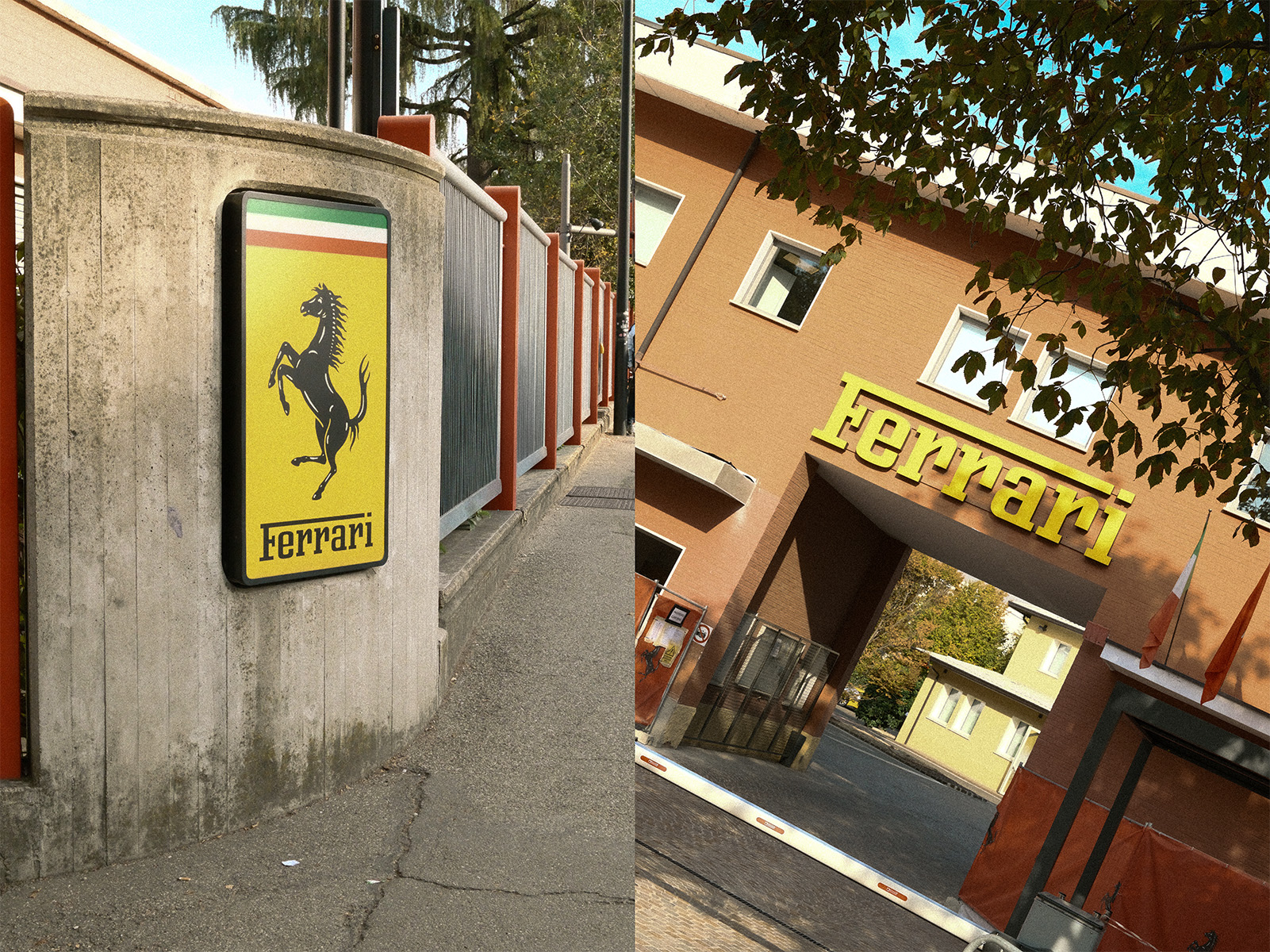
Maranello is one of those places where the weight of a brand is difficult to escape. Ferrari is embedded into the town, from the factory itself to the surrounding streets that often echo to the sound of Ferrari engines.
It was here that Ferrari invited us for a closer look at the Luce, its first fully electric car, as part of a dedicated media deep dive into the design, engineering and manufacturing behind the project. The car has been developed, engineered and built in Maranello, and seeing it in that context makes its significance rather more apparent.
The Luce represents a considerable departure for Ferrari. Developed from a completely blank canvas around a dedicated all-electric architecture.
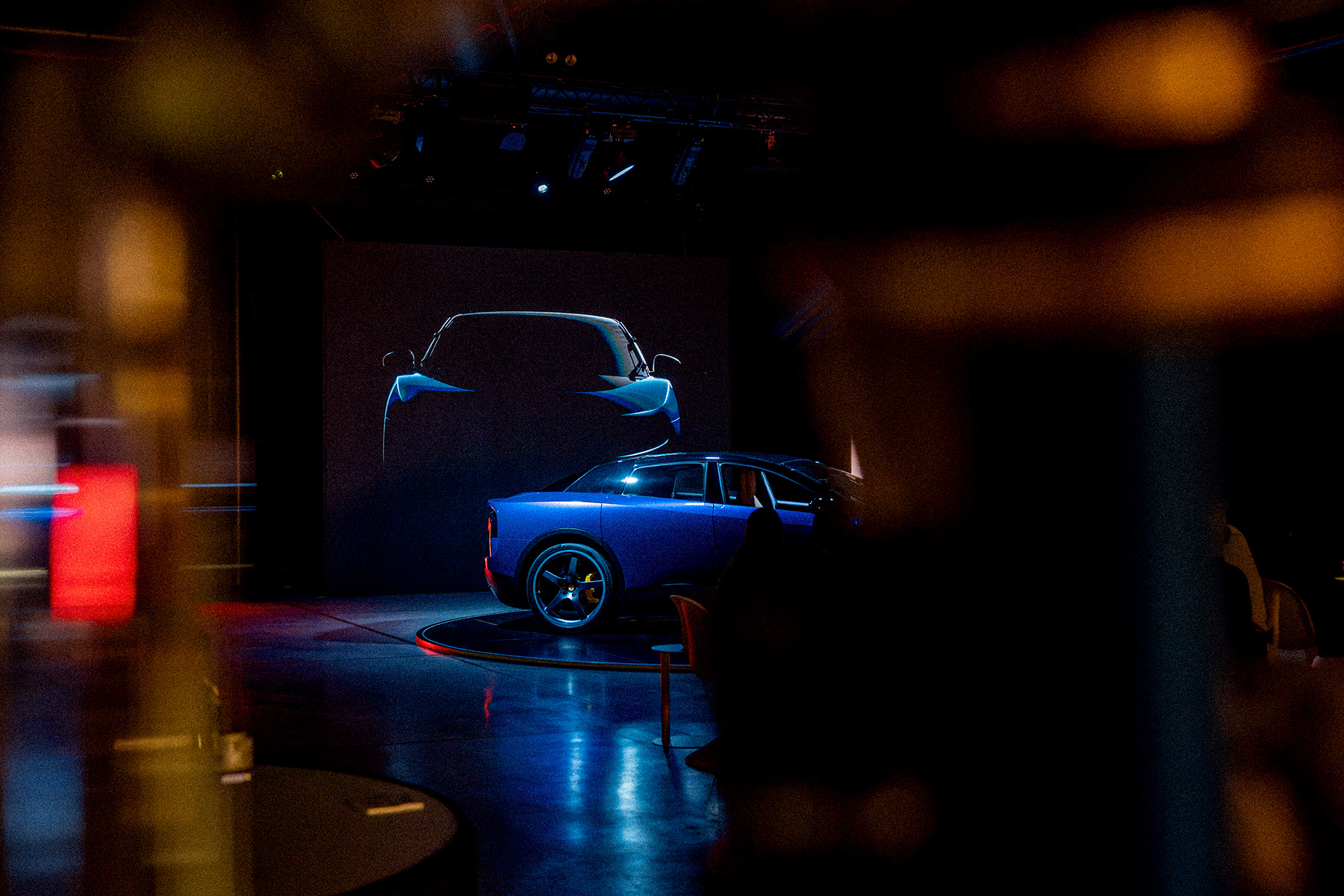
The most obvious expression of that is the exterior.
Ferrari describes the Luce as its most aerodynamically efficient car to date, with the body shaped around the demands of an electric powertrain to get the most amount of range from the battery. The result is a low, elongated silhouette, with a teardrop-shaped underbody and a secondary exoskeleton sitting above it.
Seeing the car in person, the first thing that struck us was its scale. Even in isolation, it feels substantial. There is a considerable amount of presence to the car that is difficult to appreciate from the initial images, particularly in the way the low profile stretches across such a large footprint.
But it is inside where the thinking behind the Luce becomes particularly interesting.
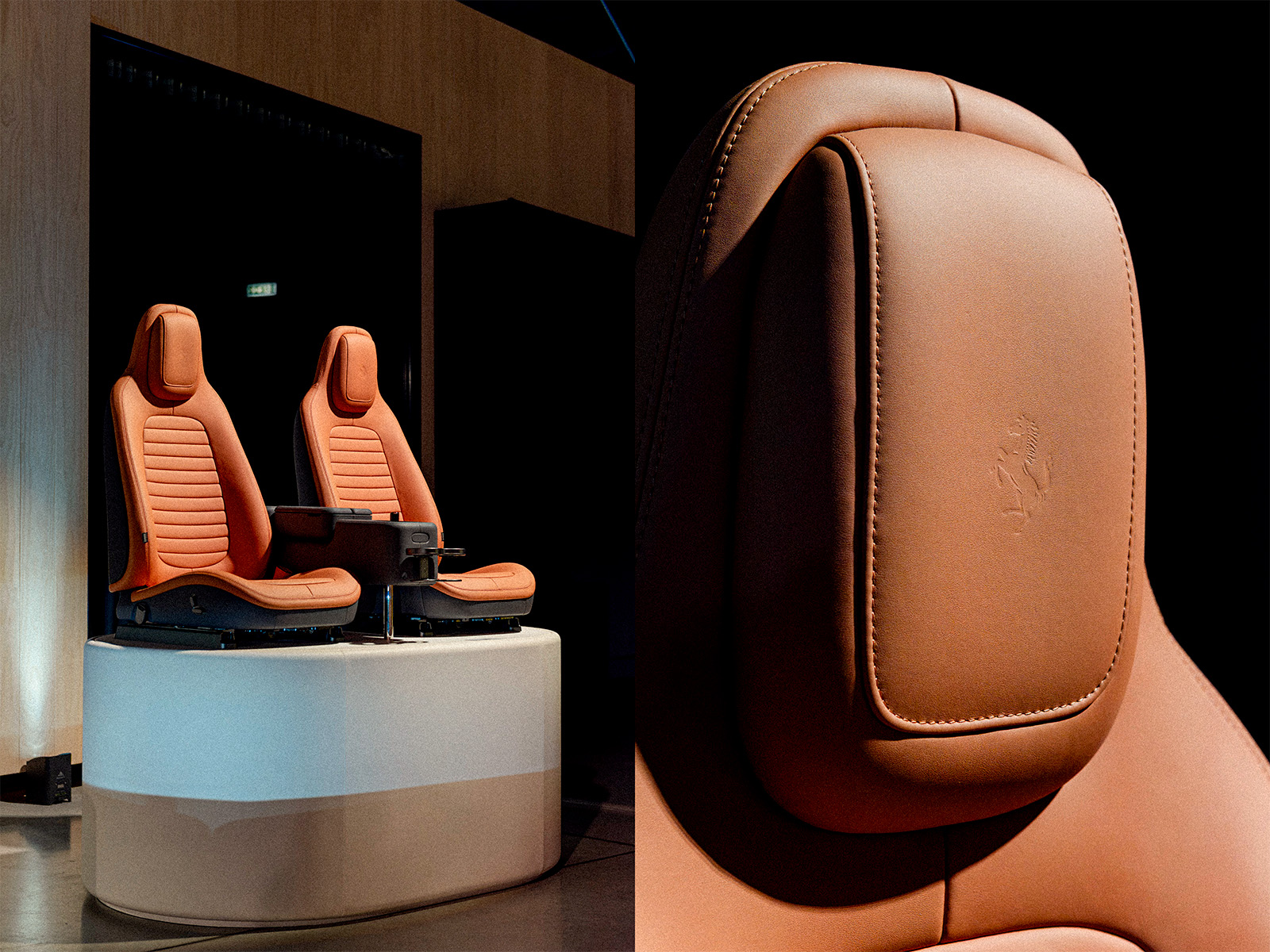
The car was developed by LoveFrom, the creative collective led by Sir Jony Ive and Marc Newson, in collaboration with Ferrari’s own Design Studio.
One of the clearest examples of LoveFrom’s impact is the interior interactions and central display on a rotary pivot point. Beneath the screen is an integrated metal handle, designed to greet both the driver and front passenger, making the screen feel approachable from either side rather than belonging exclusively to the driver.
It is a small decision, but one that fits into a much broader thread running through the work of both Ive and Newson: the idea that the physical form of an object can invite interaction. It gives the user somewhere to naturally place their hand and invites them to discover.
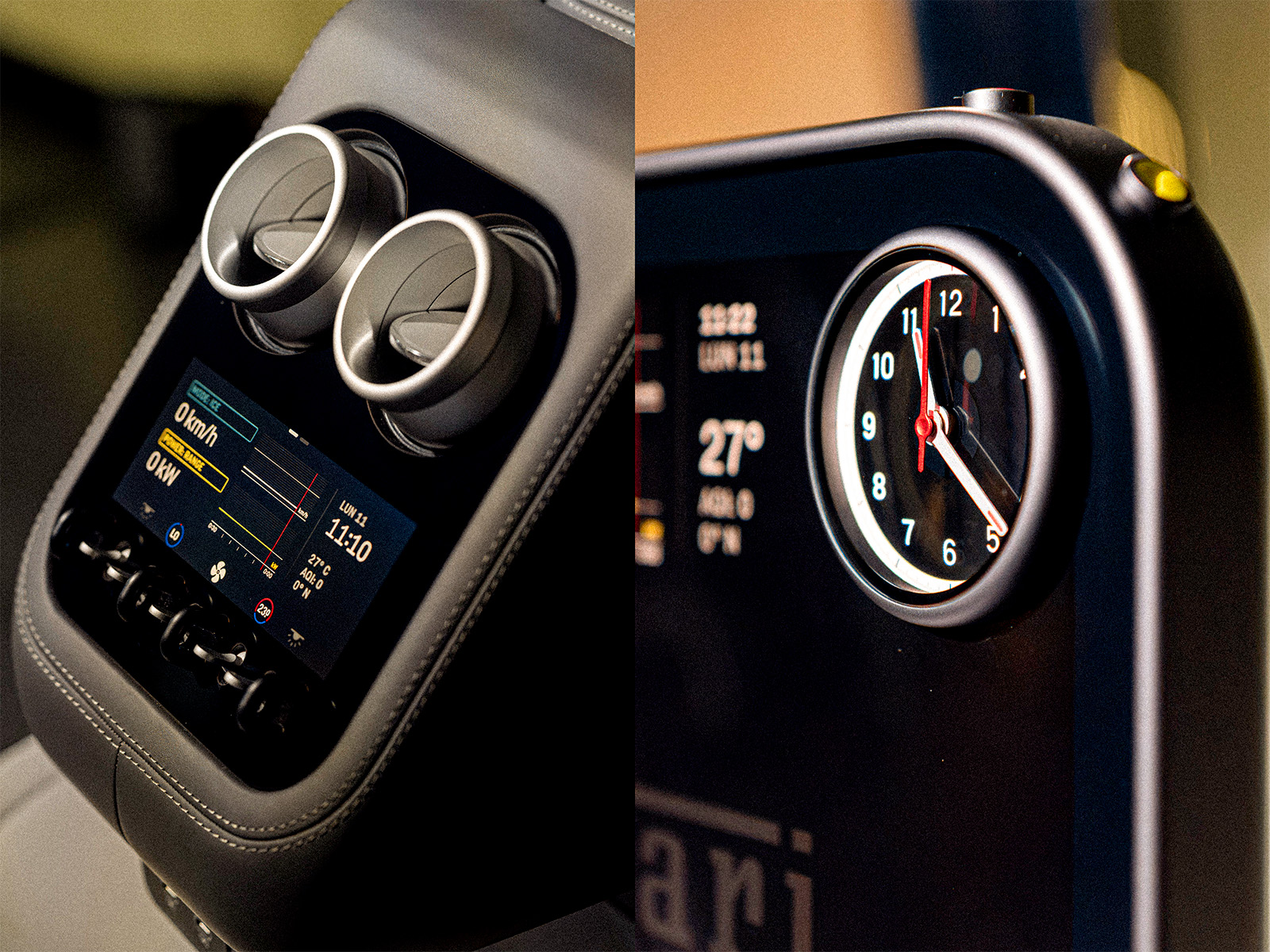
That thinking continues throughout the cockpit.
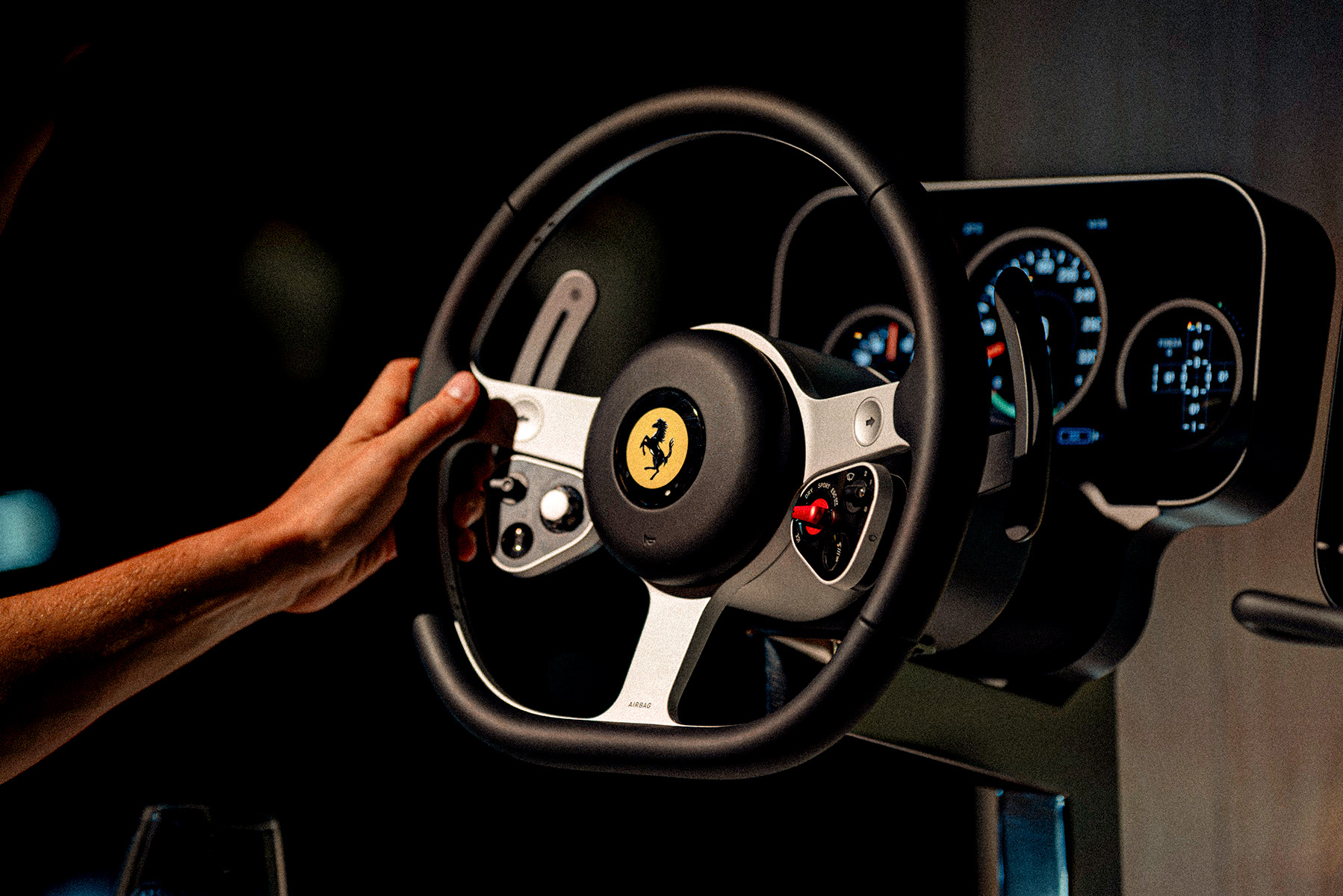
At a time when so many electric vehicles are moving towards increasingly screen-dominated interiors, the Luce takes a noticeably different position. Ferrari and LoveFrom have made a conscious effort to bring tactile interaction back into the experience, with physical controls sitting alongside the digital interface rather than being replaced by it.
The result is particularly interesting because of how consistent those physical elements feel with one another.
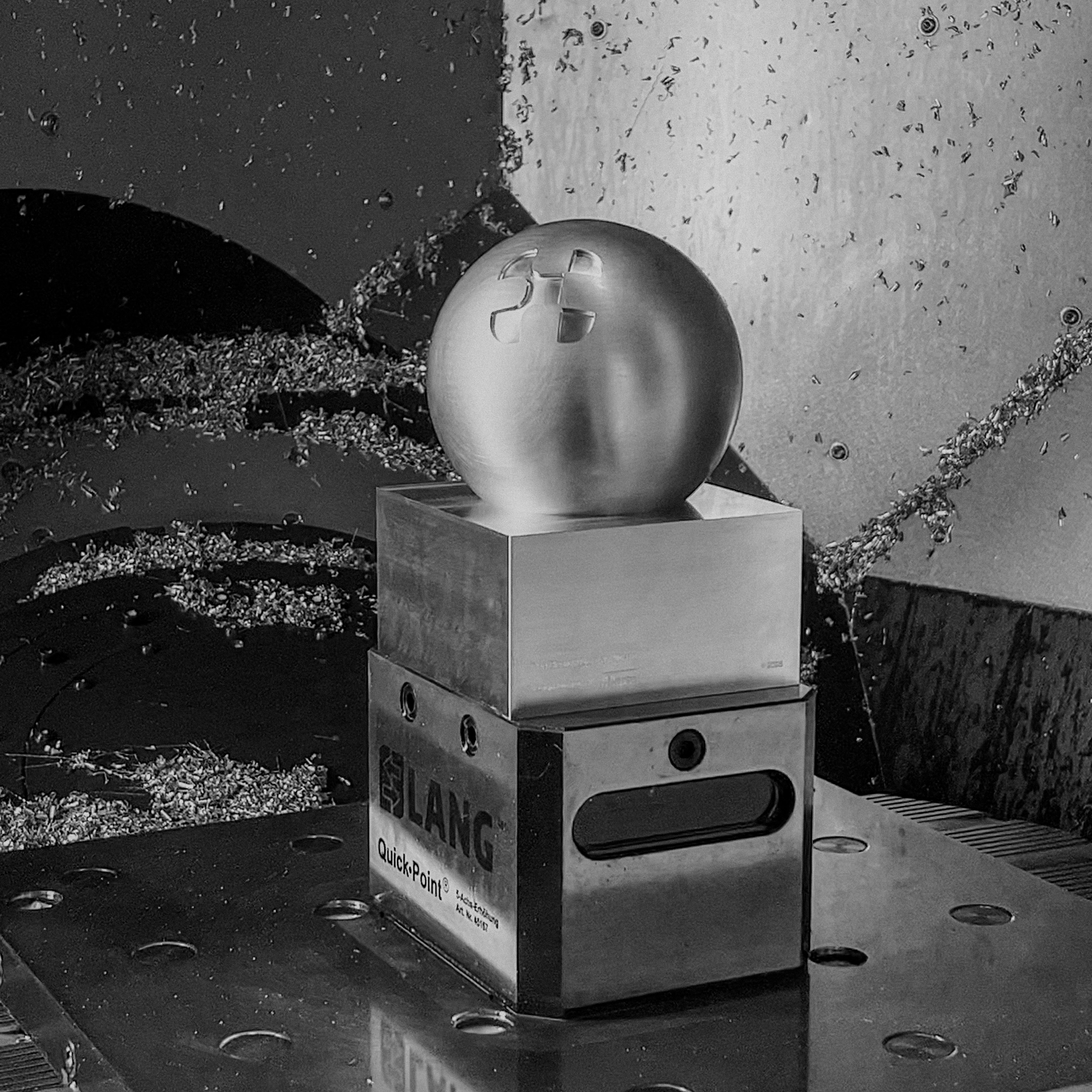
The rotary controls, switches and other interfaces share a common visual and physical language. Their proportions feel related, their movements have an appropriate sense of weight and resistance, and the use of beautifully machined metal gives the controls a very specific sensory quality that is cold to touch.
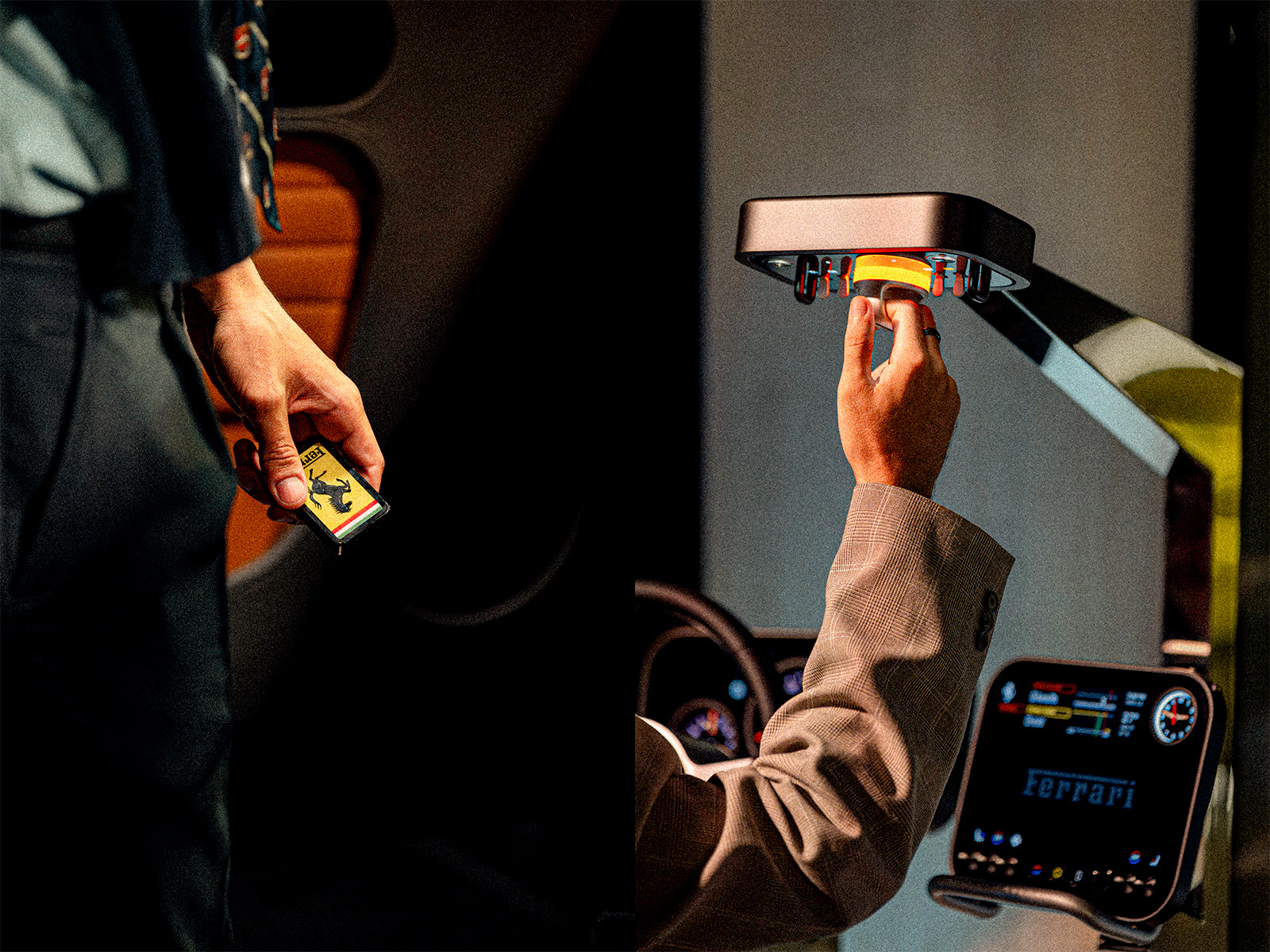
And this is where the Luce feels particularly considered as a piece of industrial design. The digital and physical systems aren’t competing with one another. They adapt to one another.
The relationship between physical and digital interaction is arguably one of the most compelling aspects of the Luce.
Even the windscreen wipers have been reconsidered, rotated 90 degrees and positioned towards the sides of the windscreen rather than sitting conventionally across its lower edge. It is a deceptively simple solution to a practical problem, allowing the front of the windscreen where traditionally you would see a recess that often collects leaves and other debris now becomes visually clean as well as aerodynamic. It’s a small functional decision that is exactly why Ferrari would have approached a team like LoveFrom, where you take a functional requirement and the solution has a sense of inevitability.
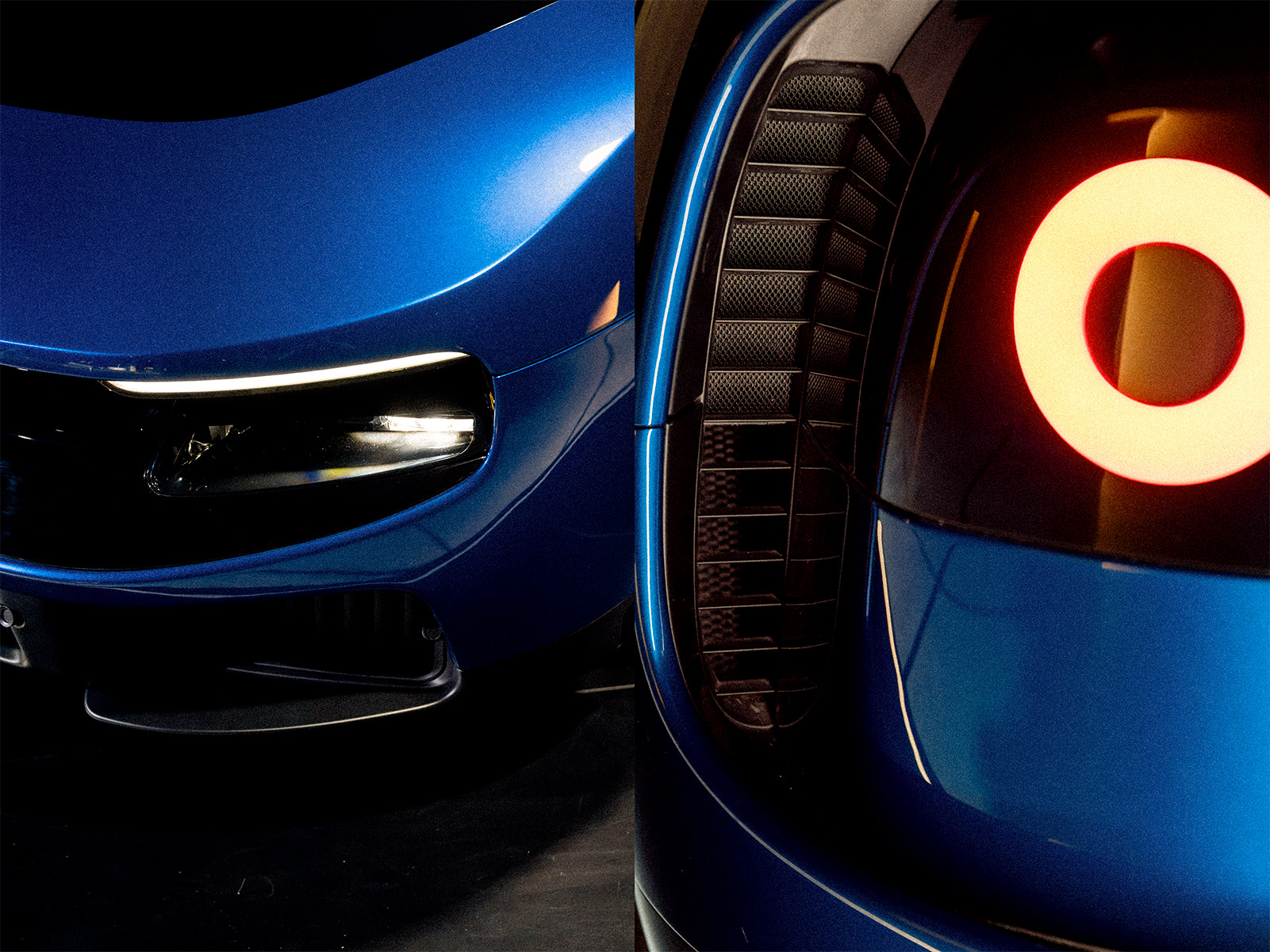
Across the car, there is a sense that individual elements have been given the appropriate amount of time to be developed.
That became particularly apparent when we toured Ferrari’s Factory in Maranello and saw the Luce being assembled on the production line. We weren’t permitted to photograph inside the factory, but seeing the manufacturing process first-hand offered a useful insight into the craftsmanship that goes into building a car like this all in one place.
The Luce itself is still undergoing testing and development, so our time with it was focused on understanding the car, its design decisions and the thinking behind the finished production architecture rather than forming a conventional road-test verdict.
Whatever your opinion of the car itself, the Luce is going to play a significant role in Ferrari’s future and, more importantly from a design perspective, it offers a glimpse at how the automotive industry is going to be shaped over the next few decades.
Photography by Ferrari Media Team and Design Burger on Sigma BF